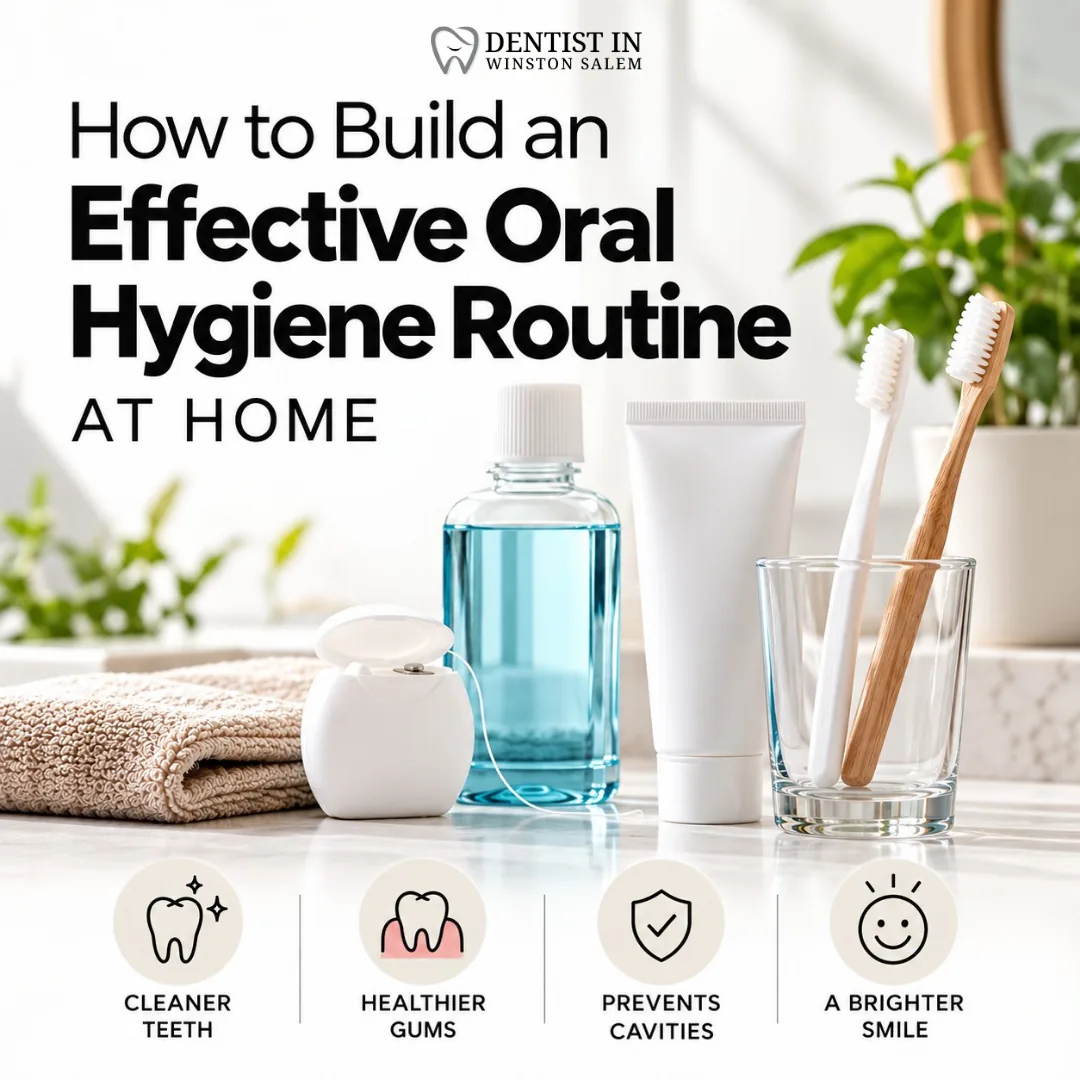
Many people worry about bad breath, bleeding gums, or stained teeth. They may skip flossing or rush brushing. They may not know how to use a toothbrush or mouthwash the right way. This guide will help those who want clear steps for dental care and plaque removal.
Oral Hygiene Instruction shows one simple fact, brush twice a day for two minutes. It also covers brushing technique, flossing methods, tongue cleaning, and choosing fluoride toothpaste.
It explains how to pick a toothbrush and when to replace brush heads. It adds tips on gum care, cavity prevention, and when to book a dental exam.
To maintain strong oral health, individuals should follow key steps in their daily hygiene routine. Focusing on proper techniques and using the right products can significantly enhance their care for teeth and gums.
Brushing your teeth twice a day is essential for good oral health. People should brush their teeth in the morning and before bedtime. Each brushing session must last at least two minutes to ensure thorough cleaning. Holding the toothbrush at a 45-degree angle helps reach plaque on tooth surfaces effectively.
Spending about 30 seconds on each quadrant of the mouth ensures complete coverage. It is crucial not to forget brushing the tongue as part of daily oral care. This technique aids in fresh breath and reduces bacteria buildup, contributing to better gum health and cavity prevention.
Flossing plays a vital role in maintaining oral health. Daily flossing helps remove food particles stuck between teeth and prevents plaque buildup. Users can choose from different types of floss, including waxed or unwaxed options.
A waxed floss may slide more easily between tight spaces. Individuals should take about 18 inches of floss and wrap it around their fingers for better control.
Gently insert the floss between teeth using a back-and-forth motion. Curve the floss around each tooth while sliding it below the gumline to clean well without causing damage. Following this method promotes gum health and reduces gingivitis risk.
Rinsing helps remove food particles from the mouth after meals or snacks. Individuals should rinse vigorously with water to dislodge any leftover bits stuck between teeth. Incorporating mouthwash into daily oral hygiene routines adds an extra layer of protection against plaque and gingivitis.
Cleaning the tongue is just as important as brushing teeth. After brushing, gently brush the tongue to eliminate bacteria and bad breath. This simple step improves overall oral health and supports gum health.
By following these practices, people can enhance their efforts in cavity prevention and maintain a bright smile at home.
Choosing the right dental products plays a key role in an effective oral hygiene routine. Select a toothbrush with soft bristles to protect gums from damage while effectively removing plaque.
A fluoride toothpaste aids in cavity prevention and strengthens tooth enamel. Daily flossing removes food particles stuck between teeth, promoting gum health and preventing gingivitis.
Using mouthwash can freshen breath and help eliminate bacteria. Keep the toothbrush or brush head updated every three months for optimal cleaning power. Children may enjoy colorful toothbrushes or fun flavors of toothpaste, making brushing more enjoyable for them.
Overall, selecting quality dental products sets the foundation for maintaining strong oral health at home.
A toothbrush should be replaced every three to four months. Over time, bristles wear down and become less effective at removing plaque. A worn toothbrush may not clean teeth properly and could lead to gum issues like gingivitis. Keeping a fresh toothbrush helps maintain good oral health.
Electric toothbrush heads also need regular replacement. These should be changed every three months or sooner if the bristles look frayed. Staying consistent with replacements ensures optimal brushing performance for healthier gums and teeth.
Proper care makes a significant difference for long-term oral health, leading into the importance of scheduling routine dental check-ups next.
Regular dental checkups help catch issues early. Adapting an oral care routine for specific needs supports long-term wellness.
Scheduling routine dental checkups is vital for maintaining oral health. Regular visits to the dentist help catch problems early, such as cavities or gum disease. Dentists perform professional cleanings that remove plaque and tartar buildup, which brushing alone cannot eliminate. They also provide valuable advice tailored to individual needs.
Individuals should aim for at least one dental exam each year. This frequency allows dentists to monitor overall gum health and detect any signs of gingivitis early on. Consistent appointments create a foundation for better oral care habits at home, ensuring strong teeth and healthy gums over time.
People with braces must adapt their oral hygiene routine. They should brush their teeth twice a day for at least two minutes each time. Braces can trap food particles, so spending extra time cleaning around brackets is essential. A soft-bristled toothbrush helps prevent irritation to sensitive gums.
Flossing becomes even more important for those with braces. Special floss threaders or orthodontic floss make the task easier. Mouthwash can help reduce plaque and keep breath fresh.
Regular dental exams become crucial as well; dentists monitor gum health and may recommend special cleanings during these appointments. Adjusting habits ensures lasting oral care success, especially in managing sensitivity issues that may arise from treatment changes or products used on the teeth and gums. The next step focuses on building healthy daily habits for maintaining long-term oral health.
Transitioning from adapting routines for special needs to building healthy daily habits is key for lasting oral health. Consistency plays a vital role in maintaining good dental care practices.
Brush teeth twice a day, ideally in the morning and before bedtime, for optimal results. Each session should last at least two minutes to ensure thorough cleaning.
Daily flossing keeps gums healthy and removes food particles stuck between teeth. Using mouthwash can further enhance your oral hygiene routine by killing germs and freshening breath.
Rinsing vigorously with water after meals also helps dislodge any leftover food. Establishing these healthy habits makes it easier to prevent problems like cavities and gingivitis over time, ensuring strong gum health and overall oral well-being.
Use a Toothbrush with fluoride toothpaste for two minutes, twice a day. Floss daily and use Mouthwash if your dentist recommends it.
Use short, gentle strokes and point the brush at the gum line. This Brushing technique helps Plaque removal and lowers the risk of Cavity.
Yes, flossing removes plaque between teeth and protects gum health. A rinse can add Fluoride and freshen breath, but it does not replace brushing or a Dental exam.
Get a Dental exam at least every six months or sooner if you have pain. Preventive dentistry finds problems early and fights Gingivitis and Cavities.
Talk with your dentist before teeth whitening. Keep strong Oral health by daily brushing, Floss, and good Dental care to cut Plaque and cavity risk.
Tell us a little about what you need — we'll be in touch shortly.
3210 Silas Creek Pkwy, Suite-4, Winston-Salem, NC, 27103, United States

Hi! I'm Tooth fairy! Your AI Assistant Ask me anything