Many people feel self conscious after they lose a tooth. Chewing can get harder. Dentures may slip. They worry about bone loss and a changing face.
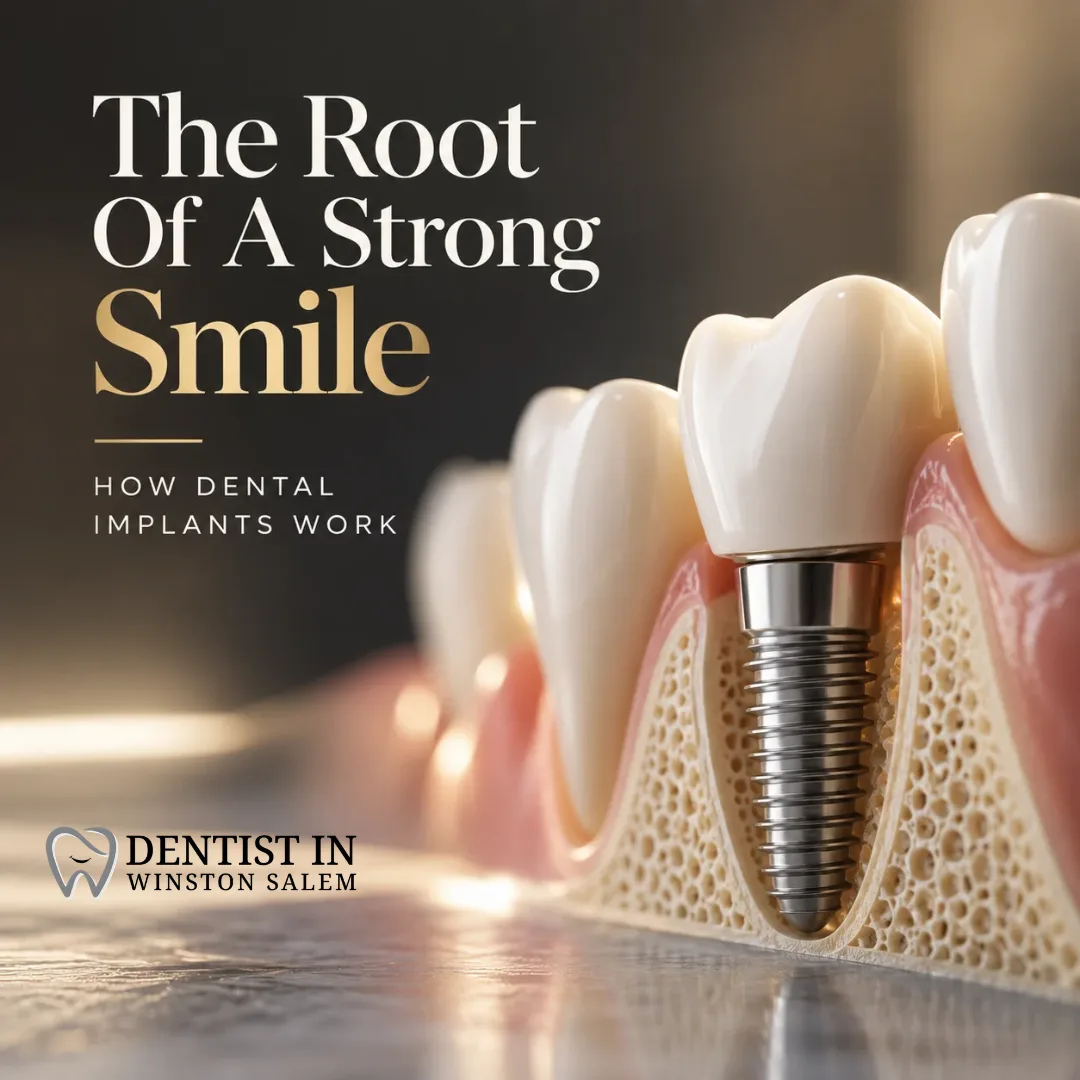
Dental Implants are a three-part system: a titanium post, an abutment, and a crown. The titanium post acts like an artificial tooth root and fuses with the jawbone. This piece will show how implants join with the bone, how dentists place them, and how to care for them.
Dental implants are a three-part tooth replacement system: a titanium post, an abutment, and a restoration. The titanium post acts as an artificial tooth root and surgeons anchor it into the jawbone during oral surgery.
The post is shaped like a small screw to boost surface area and stability, and it fuses with bone through osseointegration, which happens as the jawbone grows and bonds to the metal.
A dentist who has placed hundreds of implants notes that the biocompatible titanium promotes reliable jawbone integration and helps prevent the bone erosion that follows tooth loss.
Patients often describe the result as a natural feel that matches dental health goals and cosmetic dentistry needs. The abutment links the buried post to the visible crown, letting the implant stimulate the jawbone and keep facial structure firm.
The implant procedure draws on prosthetics and oral surgery techniques to build a stable foundation for chewing and smiling.
Dental implants consist of several key parts. Each element plays a crucial role in creating a strong foundation for new teeth.
The implant body is one of three parts in an implant system, joining the abutment and the restoration. The titanium post anchors into the jawbone during oral surgery for tooth replacement. Osseointegration occurs as the jawbone grows and fuses to the titanium implant post.
This fusion forms a stable, screw-shaped root that mimics a natural tooth root and gives great stability. The screw shape increases surface area and helps jawbone integration, which preserves bone and prevents the erosion that follows tooth loss.
Titanium's biocompatible nature lets bone bond without rejection, and the implanted root stimulates the jawbone to support facial structure and smile enhancement.
Dental implants form a three-part system: a titanium post, an abutment, and a restoration. An abutment sits between the titanium post and the crown. It links the post to the visible tooth above the gumline.
The titanium post anchors into the jawbone like a small screw, and its biocompatible metal lets bone fuse to it through osseointegration. This fusion gives the abutment a stable base to hold a crown that looks and feels natural.
A dentist who placed over 200 implants reports the abutment speeds the implant procedure and improves fit. Patients notice firmer chewing and better smile enhancement after the abutment joins the implant to the crown.
The abutment also helps the implant stimulate jawbone integration, which preserves bone and facial structure. Proper dental care and oral hygiene keep the abutment and restoration healthy for years.
A dental crown caps the abutment, giving the entire implant system a complete look. This restoration mimics the natural tooth above the gumline. Crowns come in various materials like porcelain, metal, or ceramic. Each material offers different benefits in terms of strength and appearance.
The dentist customizes each crown to match surrounding teeth for a seamless smile enhancement. This precision ensures people can eat, speak, and smile confidently. Strong and aesthetically pleasing crowns play a crucial role in restoring dental health after tooth loss.
Dental implants work by fusing with the jawbone through a process called osseointegration. This means the implant becomes a part of the mouth, providing stability for replacement teeth.
The dentist places the implant in the jaw and lets it heal. Once healed, they attach an abutment to hold the crown in place. This creates a strong foundation that mimics natural teeth.
The osseointegration process plays a vital role in the success of dental implants. It occurs after the titanium post gets surgically anchored into the jawbone. The jawbone then grows and fuses directly onto this implant post. This biological connection forms a strong bond that acts like an artificial tooth root.
This fusion provides stability for replacement teeth, mimicking how natural roots work. Dental implants also help preserve jawbone structure, preventing erosion from missing teeth.
Thanks to their biocompatible materials, these implants integrate smoothly with bone tissue. With proper care, they can last for many years while keeping smiles bright and healthy.
Placement of the implant involves precise surgical steps. This procedure is important for ensuring a solid foundation for dental restoration.
Dental implants truly mimic natural tooth function and aesthetics while preserving jawbone structure effectively.
Attaching the restoration is an exciting step in the dental implant process. It brings a new smile to life. This phase marks the transition from construction to the final product.
Dental implants offer a natural look that blends seamlessly with real teeth. These sturdy replacements provide lasting benefits, making them a smart choice for anyone wanting to enhance their smile.
Dental implants provide a natural look and feel that many people desire. The titanium post acts as an artificial tooth root, anchoring directly into the jawbone. This process, known as osseointegration, fuses the implant with the surrounding bone tissue. That creates a stable base for replacement teeth.
Replacement teeth sit securely on top of the abutment connected to the titanium post. They mimic real teeth in appearance and function. Implants stimulate the jawbone just like natural roots do, maintaining strong bones and supporting facial structure.
Patients enjoy smiles that appear authentic and inviting while benefiting from improved dental health overall.
Dental implants provide a strong foundation for tooth replacement. They consist of a titanium post, an abutment, and a restoration. This three-part system offers durability that outlasts many other options.
The titanium post fuses with the jawbone through osseointegration. This process secures the implant in place while mimicking the function of natural roots.
The biocompatible titanium material helps prevent bone loss after losing teeth. Implants stimulate the jawbone, which keeps it healthy and strong over time. With proper care and good oral hygiene, dental implants can last for many years, making them an excellent choice for smile enhancement.
Caring for dental implants is essential for maintaining their longevity and effectiveness. Proper care helps avoid issues that could arise after the implant procedure.
Dental implants are artificial tooth roots placed in the jawbone to support replacement teeth. They look and function like natural teeth, giving you a strong smile.
First, a dentist places the implant into your jawbone during a minor surgery. Over time, the bone grows around it; this process is called osseointegration. Once healed, the dentist attaches a crown on top for a complete tooth.
Not everyone can get dental implants. You need healthy gums and enough bone to support them. A consultation with your dentist will help determine if they fit your needs.
Recovery varies by person but usually takes several months for full healing. There may be some discomfort initially; however, most people return to normal activities within days after surgery.
Tell us a little about what you need — we'll be in touch shortly.
3210 Silas Creek Pkwy, Suite-4, Winston-Salem, NC, 27103, United States

Hi! I'm Tooth fairy! Your AI Assistant Ask me anything